
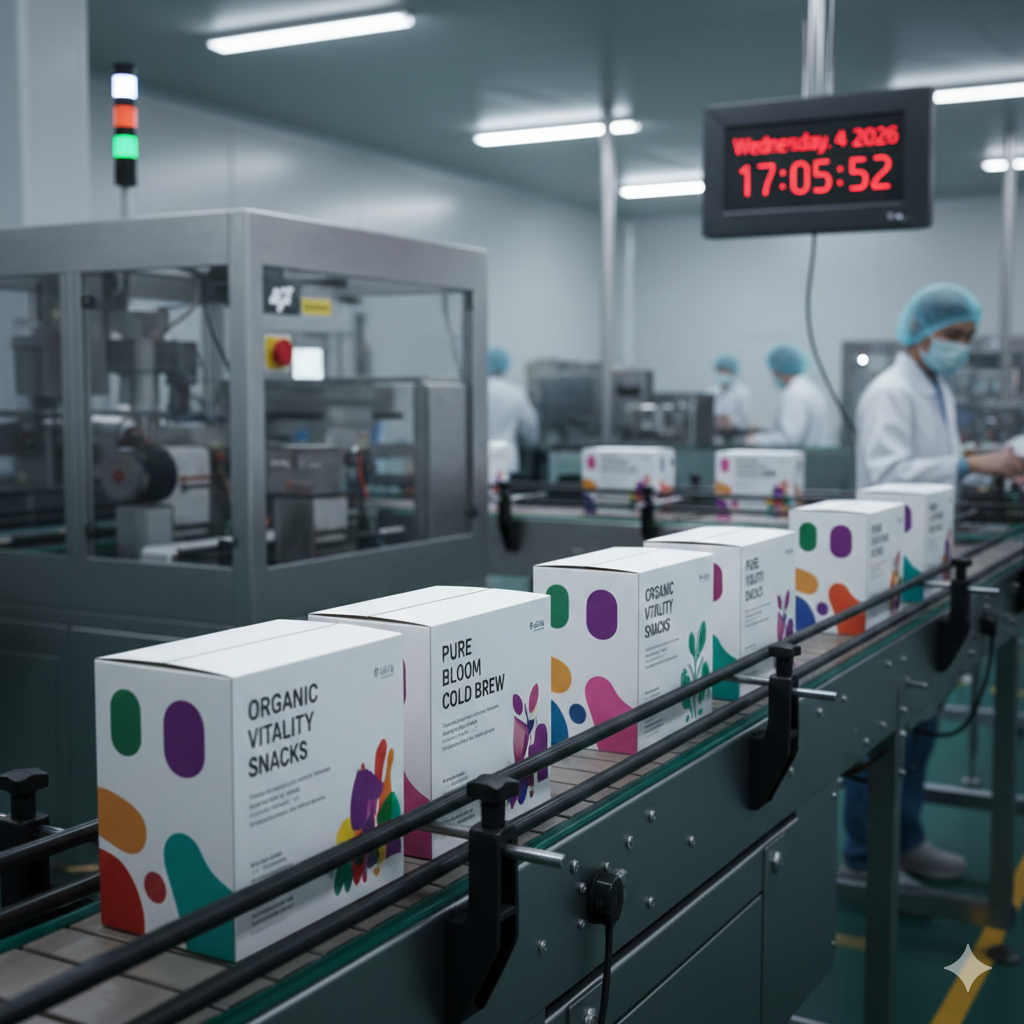

Why Professional Product Labels Matter for Brand Growth
In today’s competitive retail and eCommerce environment, product quality alone is no longer enough to secure long-term success. Consumers are surrounded by choices. Whether in supermarkets, specialty stores, or online marketplaces, buyers often make split-second decisions based on visual cues. One of the most influential yet underestimated elements in this decision-making process is the product label.
Professional product labels do far more than display a logo or product name. They communicate brand identity, build trust, ensure regulatory compliance, and directly influence purchasing behavior. For growing brands, investing in high-quality labeling is not an expense, it is a strategic growth decision.
1. First Impressions Influence Buying Decisions
Before customers read product descriptions or compare features, they notice the packaging. A well-designed, professionally printed label creates an immediate impression of quality and credibility. On the other hand, poor print resolution, misaligned text, or low-grade materials can make even a premium product appear unreliable.
Retail shelves are crowded. Your label must stand out while maintaining clarity and professionalism. Clean typography, consistent brand colors, and high-resolution printing help communicate that your brand is established and trustworthy. When customers perceive quality visually, they are more likely to assume the product inside meets the same standard.
For new or growing brands, this perception is especially critical. Professional labels help bridge the gap between small business and established competitor.
2. Strong Labels Strengthen Brand Identity
Brand growth depends heavily on recognition and consistency. Every customer interaction reinforces (or weakens) your brand identity. Product labels serve as one of the most repeated brand touchpoints.
A professionally executed label ensures:
- Consistent color accuracy across batches
- Clear logo reproduction
- Uniform placement and alignment
- Durable materials that reflect your brand positioning
For example, a luxury cosmetic brand requires premium finishes such as matte lamination or metallic foil to align with its image. Meanwhile, a health supplement brand may prioritize clarity, ingredient transparency, and clean layouts to reflect safety and reliability.
When your labels consistently reflect your brand values, customers begin to associate your visual identity with reliability. This consistency supports long-term brand recall and repeat purchases.
3. Compliance and Accuracy Protect Your Business
Product labels are not only marketing tools, they are also legal documents. Many industries require specific information to be displayed clearly and accurately, including:
- Ingredient lists
- Nutritional information
- Expiry dates
- Batch numbers
- Safety warnings
- Certification logos
Errors in labeling can result in regulatory issues, product recalls, or damaged reputation. Professional printing services understand layout precision, readability standards, and material durability required for different industries.
Clear, compliant labeling builds consumer confidence. Customers are more likely to trust brands that present transparent, accurate information in an organized manner.
4. Material Quality Reflects Product Quality
Label materials directly affect both durability and perception. Factors such as moisture resistance, adhesive strength, and print longevity determine how well your product maintains its appearance over time.
For example:
- Food and beverage products may require waterproof or oil-resistant labels.
- Cosmetic packaging often benefits from scratch-resistant finishes.
- Industrial products may need chemical-resistant materials.
When labels peel, fade, or smudge, the brand image suffers. Professional production ensures the label performs under real-world conditions. This durability preserves the visual appeal of your product throughout distribution, storage, and customer use.
Investing in suitable materials prevents unnecessary reprinting, relabeling, or product damage, ultimately supporting cost efficiency and brand reputation.
5. Shelf Impact Drives Sales
In physical retail environments, customers often make impulse decisions. Shelf appeal plays a major role in influencing these purchases. A professional label enhances:
- Contrast and readability from a distance
- Strategic use of whitespace
- Balanced hierarchy of information
- Visual differentiation from competitors
Clear product benefits and organized layout guide the customer’s eye. Instead of overwhelming buyers with cluttered design, professional labels present key information in a structured, appealing way.
Even in eCommerce, high-resolution packaging imagery influences click-through rates and conversion. Online shoppers rely on product images to assess quality. A professionally printed label translates into stronger product photography and higher perceived value.
6. Scalability Supports Business Expansion
As brands grow, operational efficiency becomes more important. Professional labeling solutions allow for:
- Consistent large-volume production
- Easy design updates for new variants
- Batch tracking and serialization
- Integration with automated labeling systems
If your business expands into new markets or introduces product variations, scalable label production ensures smooth transitions. Having a reliable printing partner reduces delays and minimizes inconsistencies across product lines.
7. Competitive Advantage in Saturated Markets
Many industries are saturated with similar products. When formulation or features are comparable, packaging becomes the differentiator.
A strong label communicates professionalism and confidence. Customers are more likely to choose a product that appears thoughtfully designed and carefully presented. Over time, that advantage compounds into stronger market positioning.
For startups and SMEs especially, professional labels help level the playing field against larger competitors. While marketing budgets may differ, presentation quality can still match or exceed industry standards with the right production approach.
Conclusion
Professional product labels are not just decorative elements, they are strategic brand assets. They shape first impressions, reinforce brand identity, ensure compliance, and support long-term scalability. For growing businesses, investing in quality labeling directly contributes to stronger credibility and better market positioning.
If you’re ready to elevate your packaging standards, partnering with an experienced provider makes the difference. Explore Altrapac’s professional label sticker printing Malaysia solutions to ensure consistent quality, durable materials, and precision printing tailored to your product needs.
Frequently Asked Questions (FAQs)
How do product labels influence customer trust?
Clear information, legible text, and quality finishes signal reliability, making customers more confident in the product and brand.
What materials are commonly used for product labels?
Common materials include paper labels, waterproof synthetic films, transparent labels, and specialty finishes like matte or gloss lamination.
How often should brands update their product labels?
Labels should be updated when regulations change, branding evolves, or product formulations are revised to ensure accuracy and consistency.
What should be included on a compliant product label?
Depending on industry, labels may require ingredients, expiry dates, batch numbers, manufacturer details, warnings, and certification marks.